Getting a book into the world costs nothing now. Getting it read still costs what it always did, and the money is in different places than people expect.
This guide covers what is genuinely free, what to pay for in order, and what to refuse.
What is free
Distribution. Listing on the major stores costs nothing up front. They take a percentage of each sale, which is a share rather than a fee.
Conversion. Turning a manuscript into EPUB is free with several tools.
A book page. At your own address, for the price of a domain.
An identifier. Stores issue their own at no cost.
So the mechanical act of publishing is genuinely free, and anybody telling you otherwise is selling something.
What to pay for, in order
Editing, first. This is not negotiable and it is where the money should go.
A developmental edit tells you whether the book works. A copy edit catches what you cannot see any more because you have read it forty times. Readers abandon books over prose problems the author had stopped noticing, and then review them accordingly.
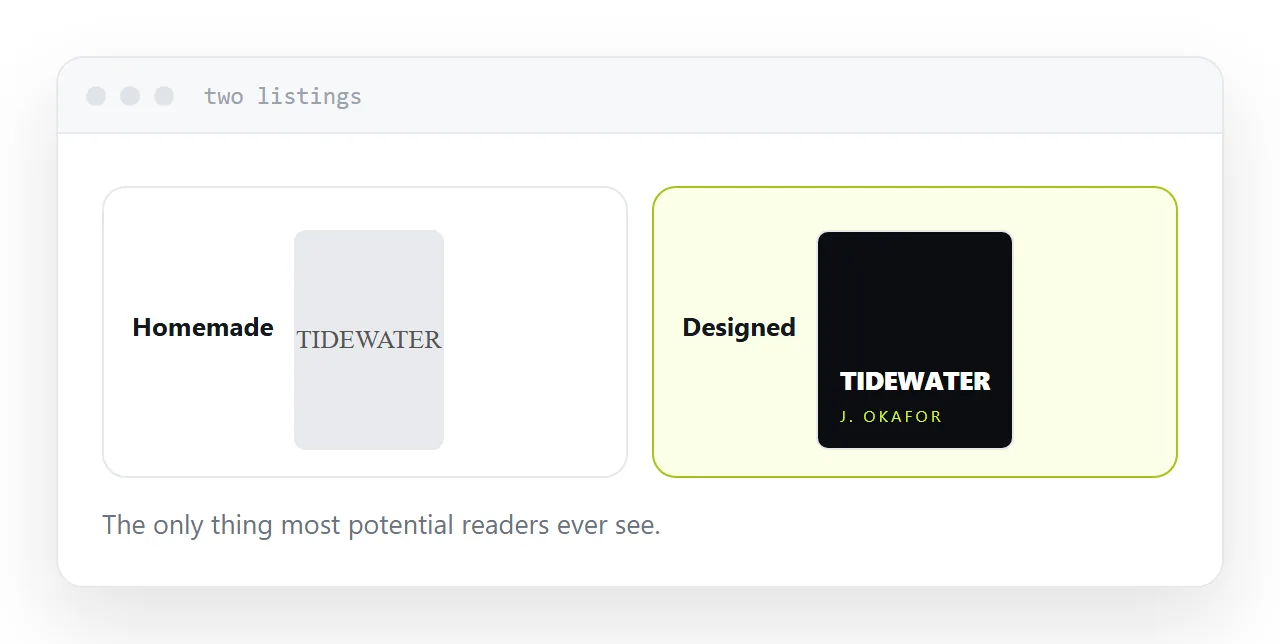
A cover, second. It is the only thing most potential readers ever see. A homemade cover signals a homemade book, and readers act on that signal before reading a word of the description.
A proofread, third. Cheaper than editing and catches the last errors.
Everything else is optional. These three are what separate a book that gets read from a file that exists.
| Cost | Effect on whether it gets read | |
|---|---|---|
| Editing | Real | Large |
| Cover | Moderate | Large |
| Proofread | Small | Moderate |
| Own ISBN | Small | Only for bookshop ordering |
| Paid marketing packages | Often large | Usually none |
The identifier question
Stores issue identifiers for free and that is enough to sell through them.
Your own ISBN matters if you want bookshops and libraries to be able to order the book, because it makes you the publisher of record rather than the store. That is a different and larger ambition, and the cost varies enormously by country.
For a first ebook selling through stores, the free identifier is fine.
Keep a book page
Free distribution puts the book in catalogues. It does not give you a reader you can reach again.
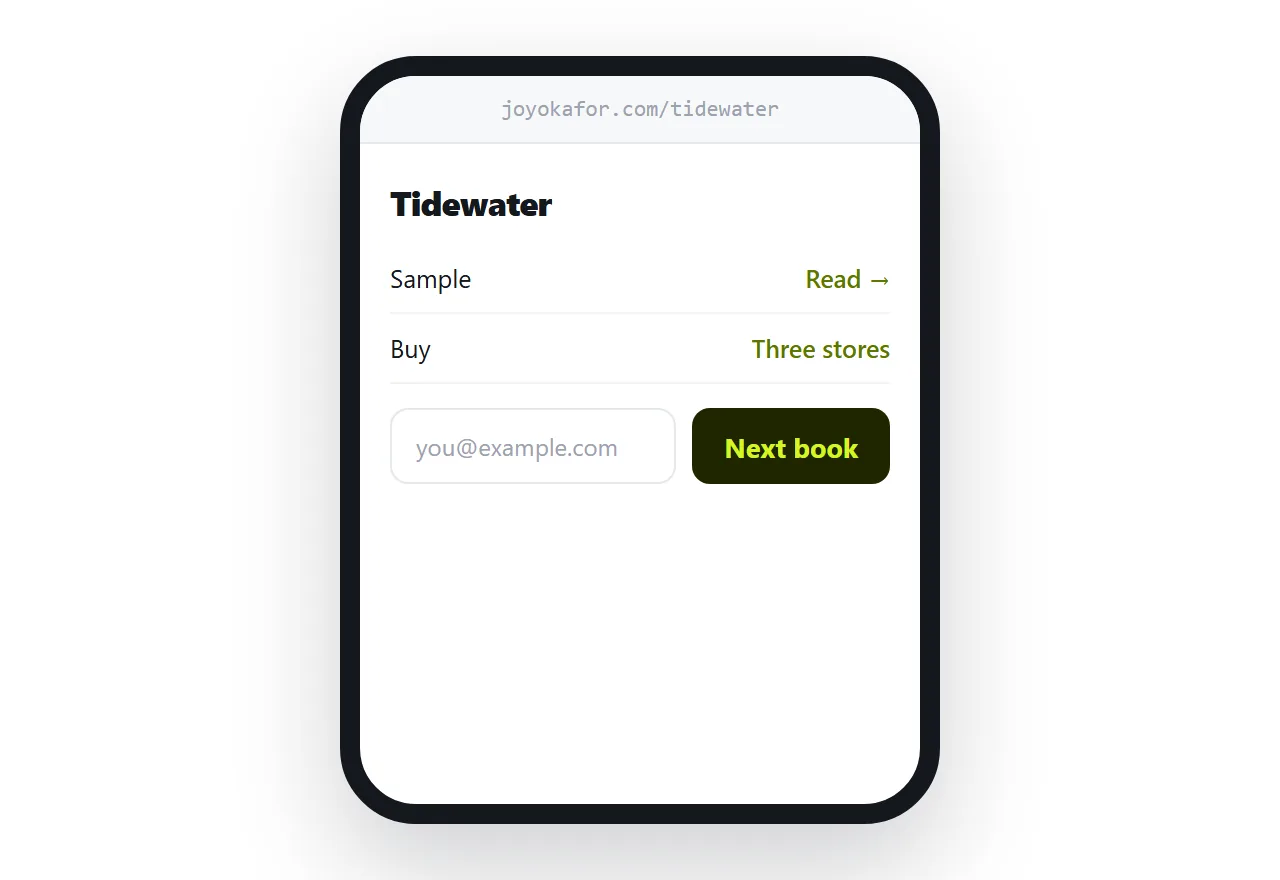
A page at your own address with the sample, the buying links and one signup field is the part that accumulates. Every reader who signs up is someone who will hear about the next book without paying a store for the privilege.
What to refuse
Anything charging a fee to publish. Legitimate distribution takes a share of sales. A fee to publish means their customer is you rather than a reader, and their incentive ends at your payment.
Paid reviews. Against the terms of every major store, and recognisable to readers.
Marketing packages sold to self-published authors. Almost universally poor value. The money is better spent on editing, which improves the book rather than shouting about it.
Closely related: How to publish an ebook, and How to publish a novel online for the adjacent problem.
Put it at an address
Pay for editing, then a cover, then a proofread. Use free store distribution, keep a book page at your own address with a sample and a signup, and refuse anything charging a fee to publish.
Then free publishing produces a book somebody finishes.